Role of a speech and language therapist in the Leeds Gender Service Easy Read
This guide will explain the role of a Speech and Language Therapist within the Leeds Gender Identity Service.
What is a speech and language therapist?
 |
A speech and language therapist is someone who you can choose to see as part of the service. They can help you to have a voice that reflects who you are. |
What can a Speech and Language Therapist do?
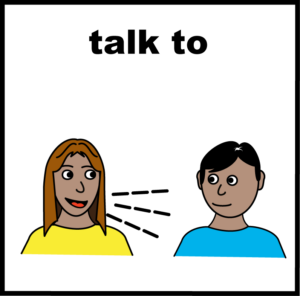 |
A speech and language therapist can talk to you about what you may like your voice to sound like. This can include a higher or lower pitch, making your voice sound softer and making sure your voice reflects who you are. Everyone will have a different experience with speech and language therapy. |
What will happen at my first appointment?
 |
Your first appointment can be online or in person. The assessment will look at your voice and what you might like to change. |
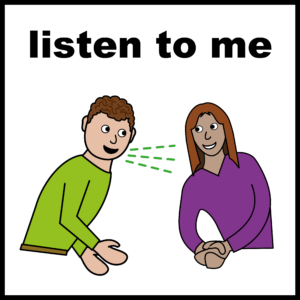 |
The Speech and Language Therapist will talk to you about your voice and how you use it, they will listen to you talk to see what your voice can do. |
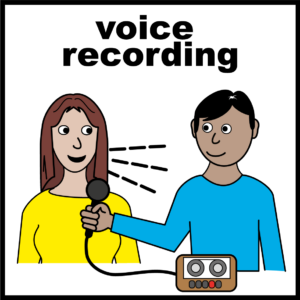 |
The Speech and Language Therapist will record your voice (if you are happy for them too) to look at the sound of your voice.
|
What will happen after my assessment?
 |
After your assessment, you will have therapy with the Speech and Language Therapist working on your voice. |
What will happen in Speech and Language Therapy?
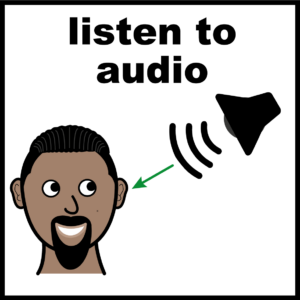 |
You will practice different exercises for your voice with your Speech and Language Therapist. These exercises involve playing around with the sound of your voice. You may listen to sounds and match them.
|
 |
Each appointment will build on skills and you will be given homework to practice. It is very important you practice so that you can hear your voice change.
|
How often will my Speech and Language Therapist see me for follow up appointments?
 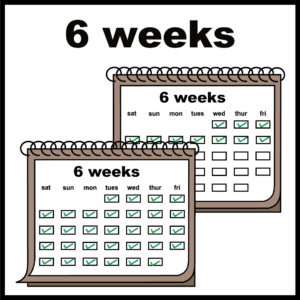 |
Your appointments will happen every four to six weeks. |
How will I know when my follow up appointments are?
 |
You will get an email with the date of your appointment, and if you ask they can send a letter too. You will get an email and/or text message reminder about your appointment, depending on what contact method you prefer. |
Where do I attend follow up appointments?
 |
You can either have appointments through online video call. |
 |
Or you can have appointments in person with your Speech and Language Therapist.
|
How many follow up appointments do I have?
 |
You will have four to six appointments with your Speech and Language Therapist, this can change depending on what you need. |
 |
When you finish therapy, you will be discharged from Speech and Language Therapy. You will keep practicing everything you learned.
|