Role of the psychologist in Leeds Gender Service Easy Read

You have been referred to a psychologist in the Leeds Gender Identity Service.

Your letter will say if it is for a ‘Extended Assessment’ or for psychological therapy.

Not everyone accesses these services.

What is an extended assessment?
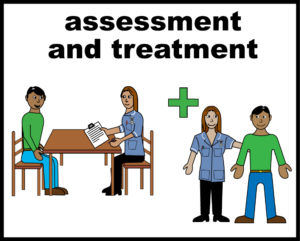
Illustration titled ‘assessment and treatment’. On the left, a healthcare professional sits at a table with another person, reviewing paperwork or a form. On the right, the same two people are shown standing side by side. A green plus symbol between the scenes indicates that assessment leads to treatment. An ‘Extended Assessment’ is four to six appointments exploring your gender identity and readiness for medical treatment.
An illustration showing a person’s head with a thought cloud above it. The word ‘think’ is written at the top. You’ll be asked similar questions to those in your gender assessment, but you’ll have more time to provide detailed responses


An illustration showing two people sitting at a table with an open booklet between them. One person is speaking to explain information. The word ‘explained’ is written at the top. At the end of the extended assessment your psychologist will explain what will happen next in the service.


An illustration of three people sitting at desks with computers and telephones. This represents an assessment and referral team. The words ‘assessment and referral team’ are written at the top. You could be accepted onto the care pathway at this point or referred to a separate service for support/ assessment.


What is psychological therapy?

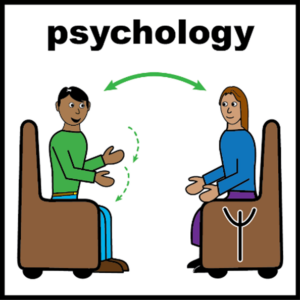
An illustration showing two people sitting in chairs facing each other and talking. Arrows show communication going both ways. The word ‘psychology’ is written at the top. If you are experiencing distress or difficulties related to your gender identity, you can access psychological therapy.
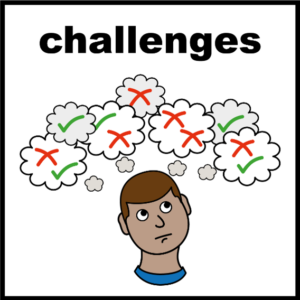
An illustration showing a person with several thought clouds above their head. Some clouds have ticks and some have crosses, representing challenges. The word ‘challenges’ is written at the top. You will be, asked about any difficulties you are experiencing and what goals you have for therapy. They might ask you about your childhood and early experiences.
An illustration of a calendar showing days of the month. The word ‘date’ is written at the top. These appointments are usually every two weeks.


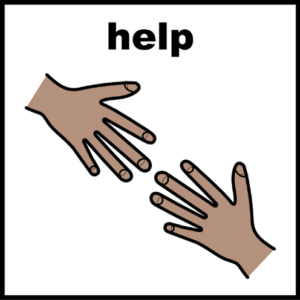
An illustration of two hands reaching towards each other. The word ‘help’ is written at the top. In your appointments you and the psychologist will work together to discuss the difficulties you’re facing and help you find ways to cope with them.


Cartoon-style image showing different ways to contact someone. It includes an envelope with a stamp, a mobile phone, a rotary landline telephone, and a computer mouse with an email symbol. The word ‘contact’ appears in bold text above the images. Following this, your psychologist will write a letter to you with the plan going forward. A copy will be shared with your GP and named professional.