Autism Diagnostic Service (LADS)
If your referral is accepted, you will receive a letter within five days confirming you are on the waiting list and outlining the next steps. While you wait for your assessment to be completed, please see our useful information and support page.
Autism assessment pathway
The autism assessment pathway outlines a series of steps designed to evaluate whether you have autism.
The four stages are:
If enough information is available when you have your autism assessment, we may be able to reach a decision without the need for a clinical decision meeting. If you receive an autism diagnosis we will invite you for a follow-up appointment, if not, we will discharge you from the service.
Information gathering
The first step is to review your developmental history. Autism is a condition that usually shows signs in childhood, so we need to know what you were like as a child. Ideally, this information comes from a parent, but if that’s not possible, we can use information from other relatives, family friends, or school reports.
We usually gather this information through a developmental questionnaire for parents or a collateral questionnaire for others who know you well. If needed, we can also get this information through a video call or phone call with your parent. If you don’t have anyone to provide this history, we can still proceed with the assessment, but it might be harder to make a definite diagnosis.
In most cases, we will review your developmental history before your appointment.
Autism assessment
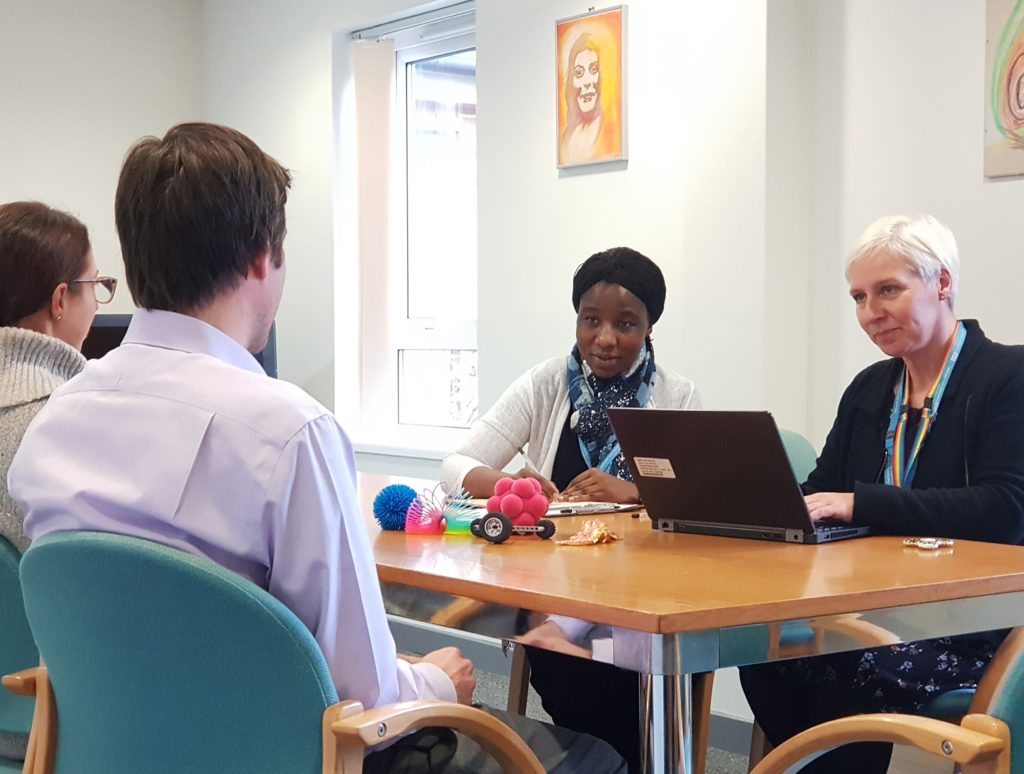
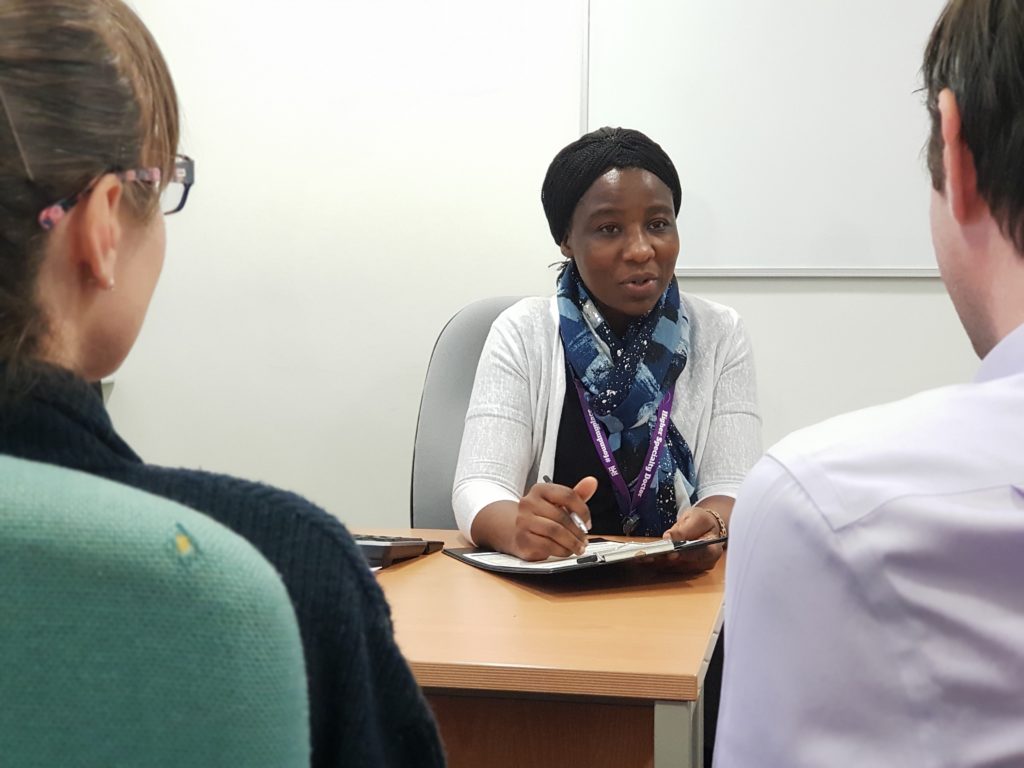
The second step is your autism assessment appointment. During this appointment, we’ll talk about your life experiences and any possible autistic features. Usually, you’ll meet with one clinician, but sometimes other staff members or trainees might join. The appointment lasts two to three hours.
We can do this either face-to-face or by video call, depending on what you prefer. Sometimes, we can complete the assessment by the end of this appointment.
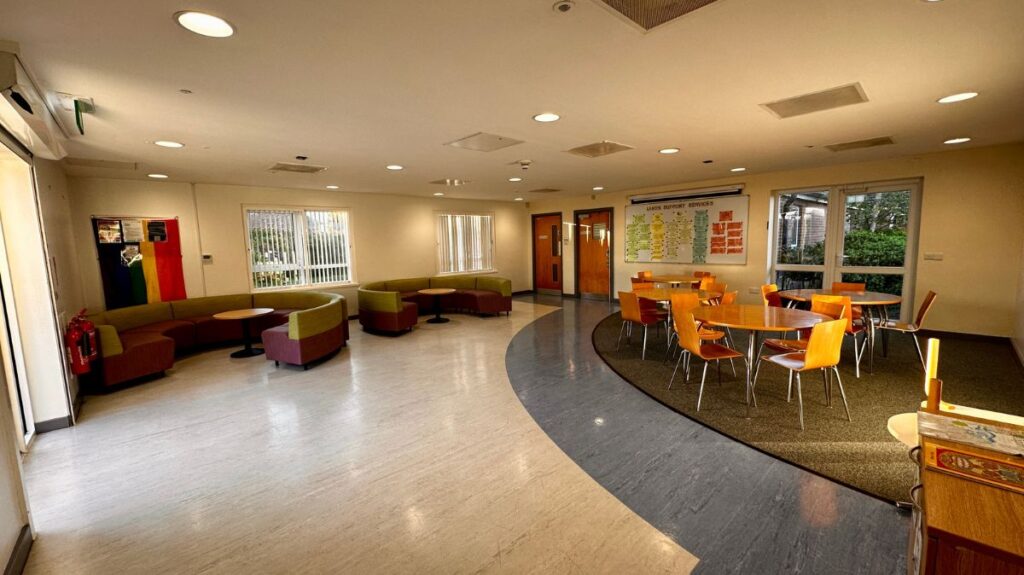
If you come to us for a face-to-face appointment, you might be wondering what to expect. The video below gives you a quick tour so it’s not unfamiliar when you come for your appointment.
Clinical decision meeting
Sometimes, a third step is needed. This is called a clinical decision meeting. It’s usually a face-to-face appointment with at least two of our clinicians and lasts about two hours. During the meeting, we might ask you to do some simple activities, like looking at pictures of social situations, to help us check for autism. These activities are based on the Autism Diagnostic Observation Schedule (ADOS) assessment tool.
Follow up
If you are diagnosed with autism, you will be offered a follow-up appointment. This is usually a one-hour video call, but you can ask for a phone or face-to-face meeting instead.
After your diagnosis, you will receive a pack with autism-specific information. It’s helpful to read through this before your follow-up appointment. The pack includes links to local services and resources. We especially recommend Leeds Autism Aim for post-diagnostic peer support, advice, and information.
A diagnosis of autism can mean different things to different people. Many people see autism as a positive part of their identity. A good place to start exploring is The National Autistic Society (NAS) website, which offers information and advice on topics like sensory needs, workplace adjustments, and welfare rights.
During your follow-up appointment, you can discuss your diagnosis and what autism means for you. You can talk about anything you like, and some people find it helpful to prepare questions or make a list in advance. You might want to have a family member, friend, or pet with you, which is perfectly fine. Common topics to discuss include adjustments at work or school, managing daily challenges, friendships and relationships, sleep, sensory issues, mental health, and how to access support.
Please note that we are not experts on claiming benefits and cannot advise on autism services outside the Leeds area.
After your appointment, the clinician may send you more information or direct you to other relevant support services.
The outcome of your assessment
After we complete your initial assessment and review your developmental history, there are three possible outcomes:
- Autism diagnosed
- Autism not diagnosed
- Another cause of difficulties identified
We diagnose autism in about 70% of cases. If autism is not diagnosed, it might be because your difficulties are better explained by something else, like mental health issues, another neurodevelopmental condition such as ADHD, or childhood trauma. We will always explain why we didn’t diagnose autism and, if needed, refer you to other services for further assessment and treatment.
Take a look around
If you come to us for a face-to-face appointment, you might be wondering what to expect. The video below gives you a quick tour so it’s not unfamiliar when you come for your appointment.
Page last updated: 5th Nov 2025 4:11pm